Showing posts with label construction risk management. Show all posts

Thursday, 19 October 2017

How to Avoid Construction Risks

How to Avoid Construction Risks 


The complexity of construction projects means there are construction risks
to everyone onsite. Under legislation, employers are duty bound to
ensure the work site is safe for everyone. Legislation, codes and
regulations provide a framework for employers to follow to avoid
construction risks on the work site.
Regardless of how carefully you manage construction risks you cannot completely
avoid them. There will always be unknown factors that impact the
construction process at any time in the project. It is important to
identify the different types of risks and categorize them before the
project starts. This will minimize any losses and help keep everyone
safe.Construction risks fall broadly into the following five categories.

 Design risks

Design risks are anything that can stop you from completing a building on schedule. These can include:
  • incomplete designs
  • incomplete surveys
  • designs that do not meet standards
  • an incomplete analysis of the work site for hazardous waste
  • inaccurate assumptions made about technical issues during planning.
Design construction risks can occur when there are changes in the project
scope or requirements, or when there are errors or omissions in the
design.


Environmental risks

Often people forget to factor in the environmental risks when working in
unfamiliar geographical areas. It is essential to become familiar with
the area’s weather patterns when working in different regions. By
preparing for potential environmental risks you can better manage
construction risks. It helps avoid possible losses and delays in the
project. Environmental risks can include:
  • local weather (snow, severe storms)
  • natural disasters
  • flood plains and flood ways
  • causing unanticipated barriers to wildlife
  • noise impacts.

Human resource risks

The
most common project management risk is the uncertain productivity
levels of your workers. Before starting a new project, define the roles
and responsibilities of the staff you need to ensure you have the right
skills to complete the project. A lack of skilled workers can cause
major losses and delays on any project. Human resource risks to consider
include:
  • losing crucial workers at critical points in a project
  • contractors walking off the job
  • it takes longer to hire the right resources than expected
  • conflicts between workers on the work site, which can lead to mistakes and poor communication
  • being unable to source the people with the critical skills required
  • inexperienced workers
  • contractors who do not meet delivery timelines.

Project management risks

A project manager faces many variable risks on a construction site. By
carrying out risk identification you can avoid or minimize these right
from the start. Project management construction risks can include:
  • having little authority to influence resourcing and decision-making
  • the same resources required in different places at the same time
  • timelines driven by external factors rather than listening to estimations from the project team
  • changing priorities on the construction site
  • poorly defined milestones that do not accurately measure the successful completion of each phase.


Stakeholder risks

Stakeholders can slow down the construction process so it is important to identify
the construction risks so you can avoid or manage them. These risks can
include:
  • taking too long to review or make decisions
  • changes in the requirements
  • poor communication
  • insufficient funds
  • unrealistic expectations
  • making decisions that impact the schedule timeline.

Manage construction risks

Managing construction risks involves identifying, assessing and prioritising
risks. By analysing, monitoring and controlling these you can minimise
or remove them completely.
Identifying risks on a construction project is critical to its success. The earlier
you identify construction risks, the sooner you can plan to mitigate
the effects. Use
construction management software to help manage construction risks.
Identifying
risks is an iterative process and it is best to involve everyone right
from the start. Comprehensive risk identification helps keep everyone
safe on construction sites and assists in producing good results.

Thursday, 21 September 2017

Software that will improve Construction Safety

Software that will improve Construction Safety

The construction industry is in a constantly changing. With new rules, regulations, risks and safety standards, it can be a tough task to keep up with the changes to comply with all the various regulations. Agile organizations that embrace change and use software for construction safety are finding they have a competitive edge.

If your business is still to lagging in using construction safety software, it is not too late to start. Improve construction safety with checklists and risk assessments. The reality is that software can help
you manage quality and safety processes with more efficiency and accuracy, delivering a return on investment via lower costs and claims. Before you choose software, consider what features you need or your
business.

 Integration with your current software

Everyone
uses different software tools for project management. Look for software that integrates or replaces your current software. Construction safety should be an integral part of project management. Using software helps
to provide transparency about how construction projects are progressing. It helps you identify and take action to avert potential problems before they occur. This saves money and time.

 Tracks workplace incidents

The construction industry has a high level of workplace injury. It can be a dangerous place to work. This means there is always an accident waiting to happen as workers go about their work on a job if everyone is not alert. It is vital you record health and safety incidents issues immediately. Record them within your construction safety software using a smartphone from the job. These records can be important for future risk
planning or proof of legislative compliance.

 Provides team mobility

Good construction safety software will supply access to iPhone and Android apps for your team to use on the go. This allows team access to the system no matter where you are. Make sure the software you choose is
versatile enough no matter what operating system you all use.


Customization of Project software

No two organizations are alike or have the same needs. This means construction project software must  allow for customization to meet individual organizational needs. There is no point investing in software you cannot adapt to your specific needs. This includes reporting and processes as well as tracking and recording all construction projects.

 Easy access to forms

The construction industry has many forms to fill out. From budget and project updates to safety protocols and contracts, it is often vital to access them on the spot. Make sure the software has easy access to these from wherever you are.


Access to mobile signatures

While on the topic of easy access, make sure your software gives you the ability to sign documents from wherever you are. This will speed up the efficiency of your business. It will also make the workplace safer as decisions are made on the go based on real-time data.

 Ability to record voice to text

It is important for construction safety software to have the ability to convert voice to text. This gives you the ability to record things like safety issues or incidents in real-time using a smartphone. This allows you to continue working hands free.

 Records staff training and certifications

If you have more than a few employees, it can be difficult keeping up with their training and certifications. This is a vital to your business. You must comply with local, state and federal health and safety legislation. Software that can store staff training and certification
records will send out notifications so everyone meets their deadlines. It will also have the ability to view these as reports to see how each staff member is progressing along their learning path.
These are just some of the features to consider when buying software to help you keep construction safety at work. Talk to the specialists for expert advice on the best software to meet your needs

Monday, 4 September 2017

Risk assessment template for construction

Original Source: Generic risk assessment template for construction

Employers are responsible for workplace health and safety. All construction companies must have a workplace health and safety policy that outlines the its commitment to workplace safety.
Construction businesses need to complete a risk assessment template to identify and manage workplace risks. There are inherent risks with all construction projects that threaten those who work in construction. These risks can also damage your reputation and profit margins. Having a construction risk assessment template helps keep construction risks under control. Here are some things you need to consider when compiling a risk assessment template.

Workplace health and safety policy

Organizations must show a commitment to working within the Health and Welfare rules to ensure: workers complete all workplace activities in accordance with policies and procedures, the relevant people update the Safety Statement regularly and communicate the results, the organization implements and maintains all protective and preventive measures identified , the organization prevents behaviour likely to endanger others, employees have safe plant and equipment and work systems in the workplace, emergency plans are in place, well communicated and updated as required. Where it is not possible to eliminate hazards, minimize them using safety procedures and personal protective equipment, ensuring there is always safe entry and exits to the workplace. Also to ensure employees store hazardous goods and chemicals correctly to prevent injury to those in the workplace.

What is a risk assessment template?

  • A construction risk assessment template is where an organisation records its evaluation of workplace risks. It systematically evaluates all workplace risks by looking at:
  • what can cause harm to workers?
  • can you eliminate the risk?
  • if not – what can you do to minimize and control the risks?
Keep in mind that:
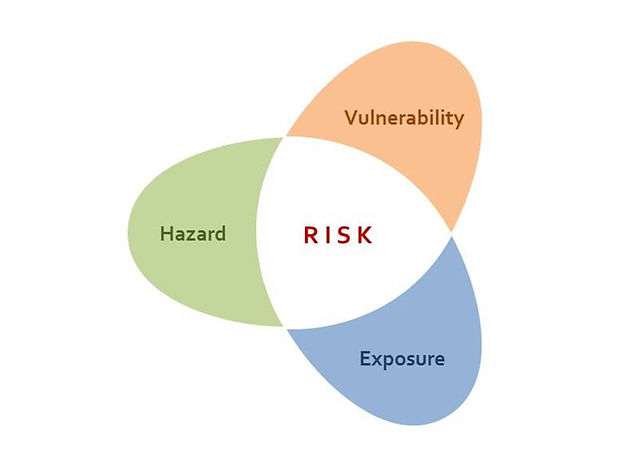
  • Hazards can be anything – materials, equipment, behavior in the workplace and work practices.
  • The risk is how likely is the hazard to harm someone.
Assessing risks
How to assess workplace risks can be broken into five basic steps:
  1. Identify hazards and who is at risk. Look for things that can cause harm in the workplace and who it has the potential to affect.
  2. Evaluate and prioritize risks. Estimate the severity and probability of each risk and prioritize them in order of importance.
  3. Decide on preventive action. Identify appropriate actions and procedures to eliminate or minimize each risk.
  4. Taking action. Take action by putting in place preventive and protective measures in a plan that prioritizes the risks. It is unlikely you can resolve everything immediately. Specify what actions are taken by who and by when.
  5. Monitor and review. Monitor and review the risk assessment template on a regular basis. In construction, risks can change a lot and often. You may need risk assessments as a record of your commitment to workplace health and safety if there are problems in the future.
Roles and responsibilities
The key role of a risk assessment is set out in the relevant legislation. Employers have a general duty of care towards the safety of all their workers. They must put policies and procedures in place to protect the health and safety of staff members. These obligations include:
  • preventing occupational risks
  • providing adequate ongoing training and information to all workers
  • ensuring adequate measures are put in place to mitigate workplace risks.
Health and safety in the workplace is everyone’s responsibility including employers, workers and contractors.
Employer’s responsibilities
Employer’s responsibilities include:
  • preventing behaviour that puts other workers at risk
  • managing work activities so there are no adverse health or safety effects on workers
  • providing a safe workplace
  • being proactive in preventing risks to employees
  • providing training, information, tools and supervision at the appropriate level for the skills of workers
  • providing appropriate personal protective clothing and training on when and how to use it
  • providing and maintaining welfare facilities such as a medical room equipped with a trained person.
Employee’s responsibilities
An employee’s responsibilities include:
  • complying with workplace policies and procedures and reporting unsafe practices, procedures and equipment
  • taking responsibility for their own safety and for the safety of others
  • cooperating with workplace policies and procedures
  • reporting any hazards, injuries, near misses, accidents or incidents in the appropriate manner
  • using the personal protective equipment provided in the appropriate manner and situations
  • attend the training required
  • behaving in a professional manner and in a way that will not put yourself or others at risk in the workplace
  • not coming to work under the influence of alcohol or drugs.
 Contractor’s responsibilities
Construction sites have contractors working on site. Their responsibilities include:
  • providing all employees with site-specific health and safety instructions and induction
  • identifying hazards, eliminating them and reducing the risks on a constructions site
  • monitoring employee compliance and take relevant action where required
  • working in a safe manner to protect themselves and others from harm.
Risk assessment templates are complex and these are just a few things to take into account. There is no room for complacency on a construction site. Get good quality software to help keep track of your risk management plan.